Essential Equipment For Work Boats
Navigation technology continues to evolve rapidly, and commercial vessel operators are now relying on smarter systems to improve operational accuracy at sea. When weather conditions become unpredictable or visibility drops dramatically, having dependable navigation tools can mean the difference between smooth operations and costly mistakes. That is exactly why modern vessels increasingly depend on advanced marine equipment designed for real-time monitoring and route management.
Many maritime businesses today are also shifting toward integrated systems that combine navigation, communication, and safety features into one centralized platform. According to maritime technology expert Captain Richard Hayes, “Reliable navigation systems are no longer optional for commercial operators because operational precision directly impacts safety and fuel efficiency.” His statement reflects how essential navigation technology has become across the global marine industry.
Marine GPS Systems
Modern marine GPS systems help crews navigate with greater precision while reducing route errors and unnecessary fuel consumption. These systems allow operators to monitor positioning, create accurate travel routes, and track vessel movement in real time.
For businesses operating offshore or across busy commercial waterways, GPS technology also helps improve coordination between vessels. Many advanced systems now include weather synchronization, digital mapping, and automated hazard alerts, making navigation far safer and more efficient than traditional manual methods.
Radar And Sonar Technology
Radar and sonar systems remain critical for work boats operating in difficult marine environments. Radar technology allows crews to detect nearby vessels, floating debris, coastlines, and incoming storms long before they become visible to the naked eye.
Sonar systems, meanwhile, provide valuable underwater imaging for seabed mapping, fishing operations, and obstacle detection. This technology is especially useful for commercial operators involved in dredging, offshore construction, and industrial marine transport where underwater visibility is often limited.
Communication And Radio Devices
Communication equipment plays a major role in maintaining safety and operational coordination at sea. Modern work boats typically rely on VHF radios, satellite communication systems, and emergency signaling devices to stay connected even in remote waters.
Reliable communication systems also allow faster emergency responses during mechanical failures or extreme weather conditions. As marine operations expand globally, uninterrupted communication is becoming one of the most important investments for commercial vessel operators.
Safety Equipment Every Work Boat Needs
Safety remains one of the biggest priorities in the maritime industry because conditions at sea can change without warning. Even highly experienced crews need proper protection systems onboard to minimize risks and respond quickly during emergencies. This is why commercial operators continue investing in advanced marine equipment focused on crew protection and emergency preparedness.
Modern maritime regulations are also becoming stricter, pushing businesses to adopt more reliable safety technology across their fleets. Marine safety analyst Laura Mitchell once explained that “Preparedness at sea starts long before an emergency happens because the right equipment often determines how quickly crews can recover from dangerous situations.” Her perspective highlights why proactive safety planning matters more than ever.
Life Jackets And Rescue Tools
Every commercial vessel should carry high-quality life jackets and rescue tools capable of supporting crews during emergencies. Modern life jackets now include reflective materials, built-in lights, and thermal protection designed for extreme marine environments.
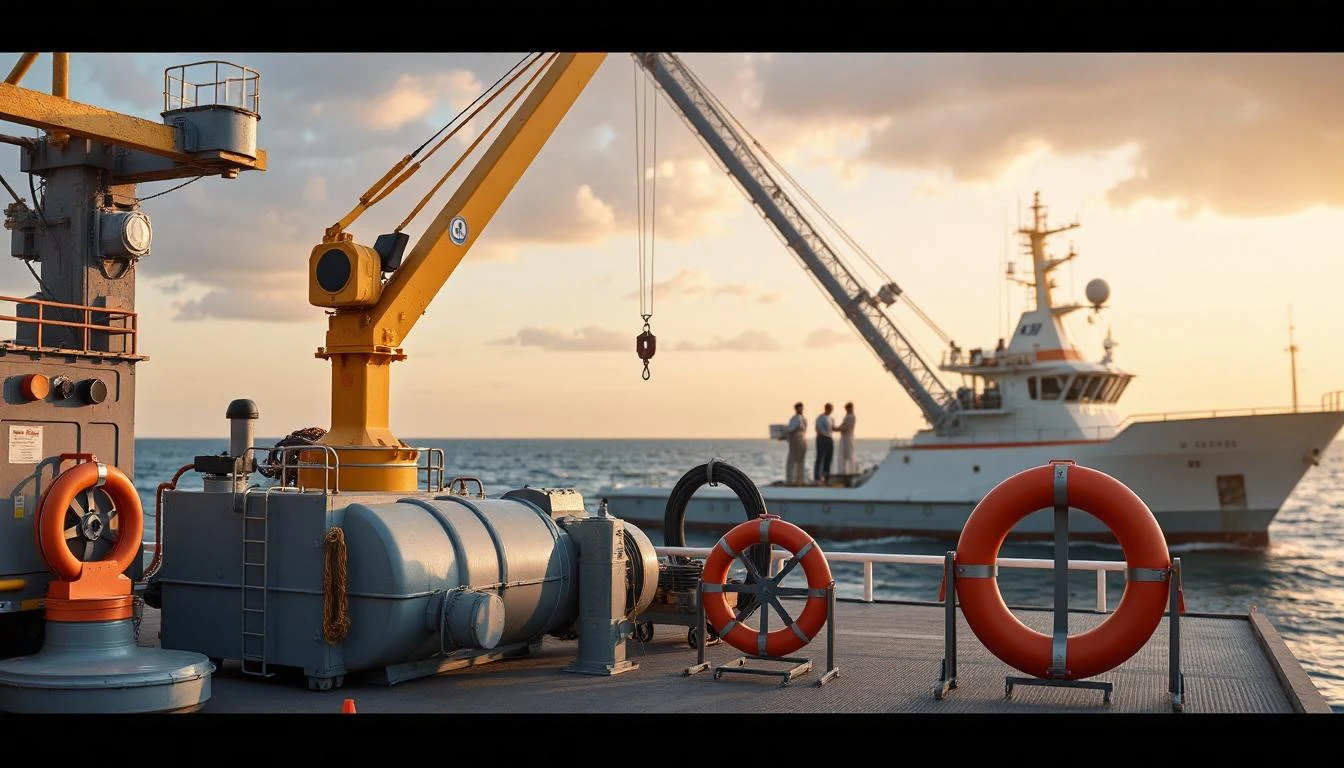
Additional rescue tools such as lifebuoys, throw ropes, and emergency recovery systems also improve survival chances during man-overboard situations. Investing in dependable rescue equipment helps crews respond faster while increasing onboard confidence during difficult operations.
Fire Prevention Systems
Fire hazards remain one of the most dangerous threats aboard commercial vessels because engine rooms and fuel compartments contain highly flammable materials. Advanced fire suppression systems now use automatic sensors capable of detecting smoke, heat, and abnormal fuel vapor conditions within seconds.
Many modern systems can automatically release extinguishing agents before fires spread into critical areas. This technology not only protects crews but also helps businesses avoid severe operational losses caused by onboard fire incidents.
Emergency Signaling Equipment
Emergency signaling equipment helps rescue teams locate vessels faster during accidents or system failures. Commercial work boats often carry EPIRBs, signal flares, distress beacons, and strobe lights to improve emergency visibility in open waters.
For vessels operating far from coastal support, dependable emergency signaling systems become absolutely essential. Quick rescue coordination can dramatically reduce risks during extreme weather events or mechanical breakdowns at sea.
Maintenance Tools And Operational Equipment
Efficient vessel maintenance is one of the biggest factors affecting operational reliability and long-term business profitability. Commercial operators understand that preventive maintenance often costs far less than dealing with unexpected equipment failure in the middle of operations. That is why many companies now prioritize advanced marine equipment designed to monitor vessel performance continuously.
As the marine industry becomes more technology-driven, operators are increasingly using smart maintenance systems to improve fuel efficiency, reduce downtime, and extend equipment lifespan. These systems help crews identify small technical issues before they evolve into expensive operational problems.
Engine Monitoring Systems
Modern engine monitoring systems provide real-time performance tracking for commercial vessels. These tools help operators monitor fuel usage, oil pressure, engine temperature, and battery conditions continuously throughout operations.
By using predictive maintenance technology, crews can detect performance abnormalities early and schedule repairs before major failures occur. This proactive approach helps reduce maintenance costs while improving overall vessel reliability.
Cargo Handling Equipment
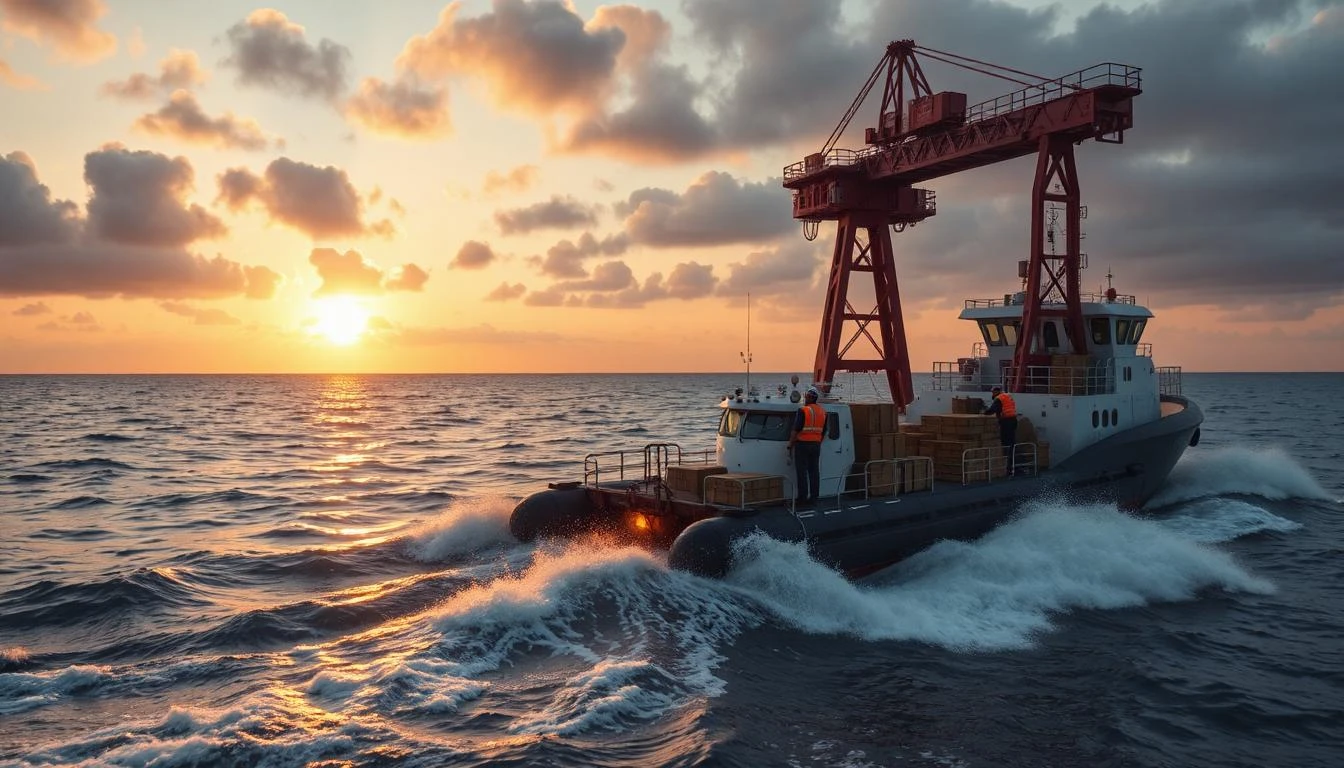
Cargo handling systems play a critical role in improving productivity and workplace safety aboard commercial work boats. Hydraulic cranes, electric winches, and automated lifting systems help crews move heavy loads more efficiently while minimizing physical strain.
Efficient cargo handling equipment also improves operational speed and loading precision, especially for businesses handling industrial materials or offshore transport operations. Faster cargo management often translates directly into improved profitability and tighter delivery schedules.
Fuel Management Tools
Fuel expenses continue to be one of the largest operational costs for marine businesses worldwide. Modern fuel management systems allow operators to track fuel consumption, detect leaks, and analyze efficiency trends in real time.
These systems help businesses identify wasteful operating patterns while improving overall fuel efficiency. Even small adjustments in fuel management can create significant long-term savings for commercial vessel operators managing large fleets.
Equip Your Work Boat With Essential Marine Technology Today
The marine industry is evolving faster than many operators expected, and businesses that modernize early are often the ones staying ahead of competitors. Reliable navigation systems, advanced safety tools, and intelligent maintenance technology are no longer luxury upgrades. They have become essential investments for commercial operators who want stronger efficiency, safer operations, and long-term business stability.
When you start evaluating your current vessel systems more carefully, you begin noticing how much outdated equipment can quietly affect daily operations. Small improvements today can prevent major operational setbacks tomorrow while helping your business remain competitive in an increasingly demanding maritime market. If there is one thing many successful operators already understand, it is that smart preparation at sea always pays off in the long run.