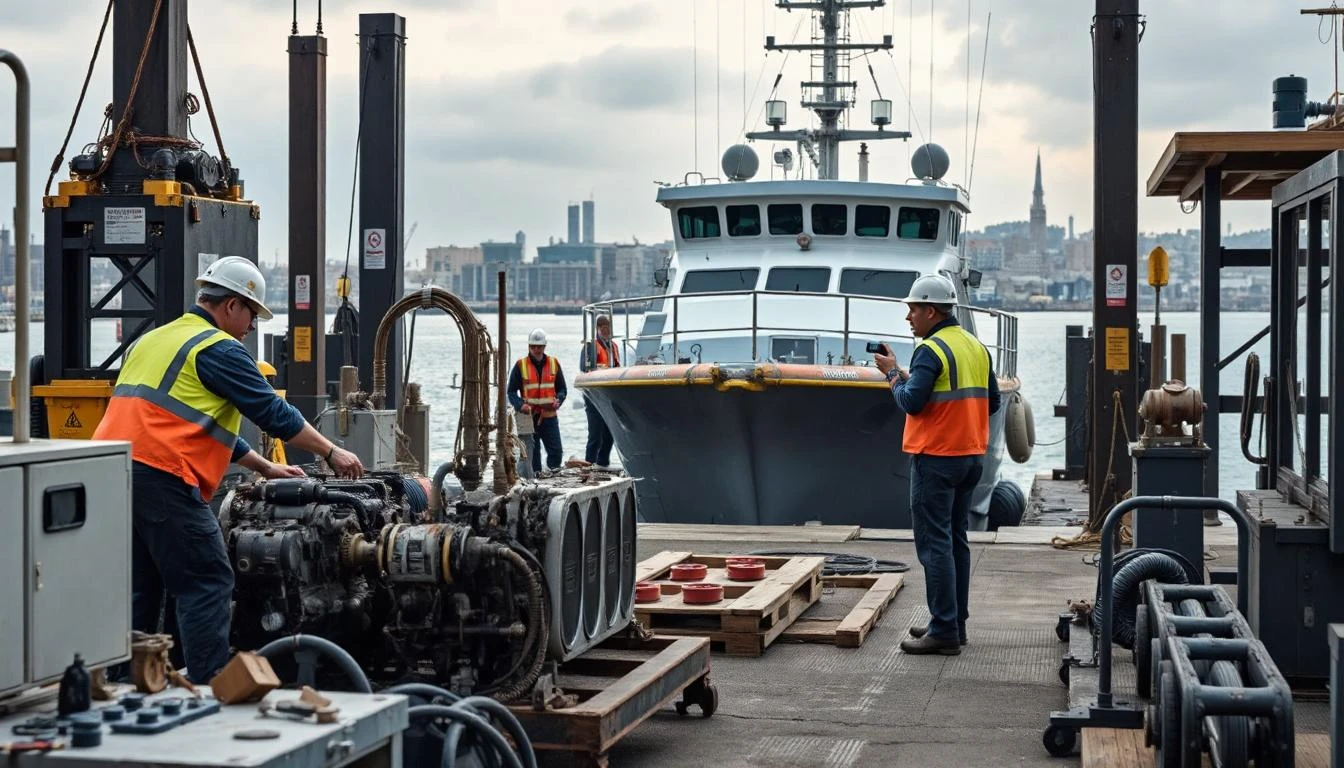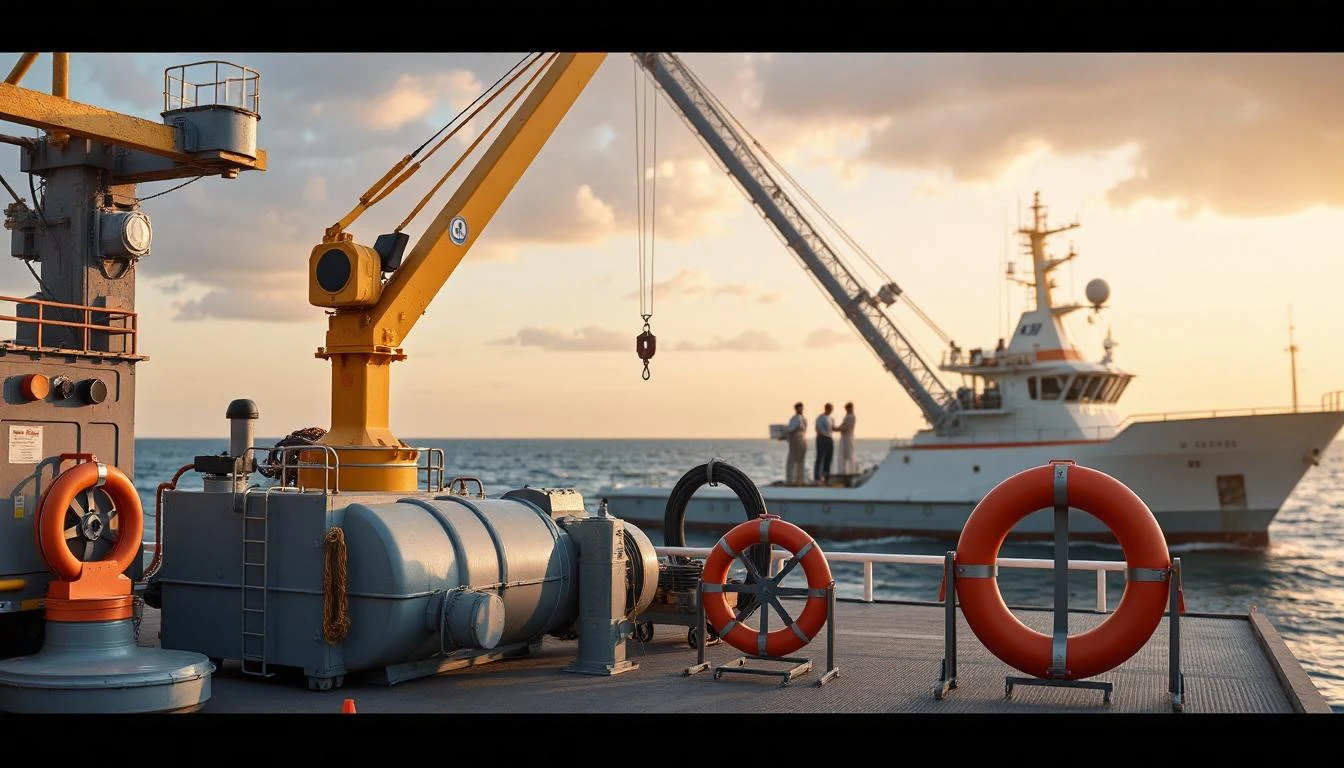
Modern Marine Work Boat Operations
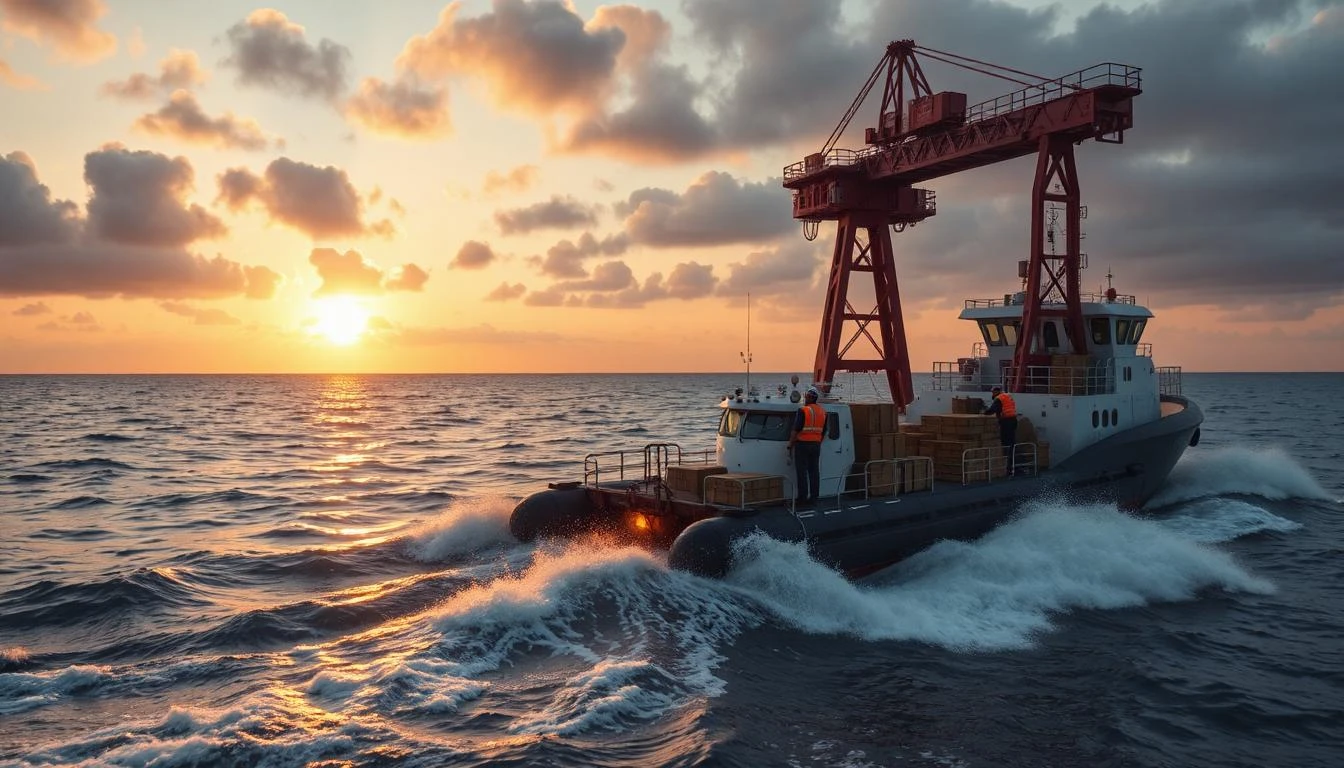
The maritime industry is moving through a massive transformation, and many businesses are starting to realize that traditional systems are no longer enough to keep operations efficient. From offshore logistics to harbor transportation, modern marine companies are expected to operate faster, safer, and smarter in increasingly competitive waters. What used to rely heavily on manual coordination is now supported by intelligent navigation systems, digital monitoring tools, and highly adaptive operational strategies that continue evolving every year.
Today, marine work boats are becoming the backbone of global maritime business because they support cargo transportation, offshore construction, energy operations, and emergency response activities across international waters. The commercial marine sector is no longer focused only on moving equipment from one point to another. It has become a sophisticated ecosystem where technology, operational precision, and environmental responsibility work together to improve long-term business sustainability. "Companies that adapt faster to digital marine systems will dominate the next decade of maritime logistics," explained Captain Richard Lawson, a global maritime operations consultant.
Understanding Modern Work Boat Operations
Modern maritime companies are facing a very different operational landscape compared to a decade ago. Clients now expect faster deployment, stronger safety management, and more transparent logistics systems across every stage of marine transportation. This growing demand has pushed businesses to modernize their operational structures while maintaining efficiency under unpredictable sea conditions.
Efficient boat operations now depend on coordination between navigation systems, crew management, fuel monitoring, and offshore communication networks. Businesses that invest in integrated operational technology often experience lower downtime, improved safety performance, and stronger client trust across international maritime projects.
Daily Marine Transportation Activities
Daily transportation activities involve far more than simply operating vessels at sea. Modern marine companies handle cargo movement, harbor support, offshore crew transfers, underwater inspection projects, and supply chain coordination for industrial operations. Every activity requires careful scheduling because even small delays can create expensive operational disruptions.
Many commercial operators now rely on real-time fleet tracking systems to monitor vessel routes, fuel usage, and weather conditions simultaneously. This allows companies to make faster decisions while improving route efficiency and reducing unnecessary operational costs. In busy ports, digital scheduling systems also help reduce congestion and improve loading efficiency for commercial transport fleets.
Offshore Support Vessel Operations
Offshore support vessels have become essential for industries such as oil exploration, renewable energy, underwater construction, and deep-sea engineering projects. These specialized vessels transport technical equipment, operational supplies, and personnel to offshore facilities located far from coastal infrastructure.
Modern offshore vessels are equipped with dynamic positioning technology that helps maintain stability during difficult sea conditions. This system allows vessels to operate safely near offshore platforms without losing positioning accuracy. As offshore energy projects continue expanding globally, companies increasingly prioritize marine operators with advanced vessel management capabilities and highly trained crews.
"Operational efficiency at sea is no longer determined only by vessel power, but by how intelligently crews and technology work together," said Dr. Emily Carter, an international maritime safety analyst.
Safety Procedures At Sea
Safety remains one of the most critical aspects of marine transportation. Harsh weather conditions, mechanical failures, and human error can quickly escalate into dangerous situations if proper procedures are not followed consistently.
Modern maritime companies now implement emergency simulation training, predictive maintenance systems, digital hazard reporting tools, and automated communication equipment to improve onboard safety. Crew members are also trained regularly to respond quickly during fire emergencies, equipment malfunctions, or sudden environmental changes.
Businesses operating internationally understand that strong safety management is no longer only about regulatory compliance. It also directly affects operational reputation, insurance costs, and long-term client confidence.
Technology Improving Marine Operations
Technology continues reshaping the future of marine transportation in ways that were once considered impossible. Maritime businesses that adopt intelligent operational systems are discovering major improvements in efficiency, fuel management, and operational reliability across global shipping routes.
Modern marine technology is no longer reserved only for massive corporations. Even smaller fleet operators are beginning to integrate digital systems that help improve operational performance while reducing long-term expenses.
GPS And Navigation Systems
Advanced GPS systems have dramatically improved navigation accuracy for commercial marine fleets. Captains can now access real-time weather forecasts, digital route optimization, and collision prevention systems directly from integrated navigation dashboards.
These technologies allow operators to avoid hazardous routes while improving travel efficiency during long-distance transportation projects. Modern navigation systems also help businesses reduce fuel consumption by selecting more efficient maritime routes based on environmental conditions and vessel performance.
As international shipping routes become increasingly crowded, navigation precision has become one of the most valuable assets for commercial marine operators worldwide.
Automated Communication Equipment
Reliable communication systems are essential during offshore operations where fast decision-making can directly affect operational safety. Modern vessels now use satellite communication networks, automated emergency signaling systems, and cloud-based reporting platforms to maintain continuous coordination between crews and shore management teams.
This technology allows businesses to monitor vessel performance remotely while improving response times during operational emergencies. Automated communication systems also help reduce misunderstandings between departments, especially during large offshore construction or logistics projects involving multiple vessels simultaneously.
Digital communication infrastructure is quickly becoming one of the most important investments for modern maritime businesses seeking stronger operational consistency.
Fuel Efficient Engine Technologies
Fuel costs continue becoming one of the biggest operational challenges in the maritime industry. Because of this, many operators are now upgrading fleets with fuel-efficient propulsion systems and advanced engine monitoring technologies.
Modern marine engines are designed to reduce emissions while maintaining strong operational performance across long-distance routes. Some systems even use artificial intelligence to monitor fuel efficiency based on weather patterns, cargo weight, and engine performance in real time.
This shift toward sustainable operational technology is also helping companies comply with stricter international environmental regulations while improving long-term operational profitability.
Challenges In Marine Work Boat Industry
Despite significant technological progress, the commercial maritime sector still faces serious operational challenges that require careful planning and adaptive leadership. Companies operating in this industry must constantly balance efficiency, safety, maintenance costs, and environmental uncertainty at the same time.
The ability to respond quickly under pressure often separates successful marine operators from businesses that struggle to remain competitive in demanding offshore markets.
Harsh Weather Conditions
Extreme weather conditions continue affecting marine transportation worldwide. High waves, powerful storms, strong winds, and reduced visibility can disrupt vessel schedules within hours and create serious operational risks for crews at sea.
Modern operators now rely heavily on advanced weather forecasting systems and environmental monitoring technology to improve operational decision-making. Real-time climate analysis helps vessel crews prepare for dangerous conditions before entering high-risk operational zones.
Companies that prioritize weather intelligence systems often reduce operational delays while improving crew safety during offshore transportation activities.
Maintenance And Operational Costs
Maintaining commercial marine fleets has become increasingly expensive as vessel technology continues advancing. Engines, navigation systems, and communication equipment all require regular inspections and technical servicing to maintain operational reliability.
Unexpected equipment failures can lead to major financial losses, especially during offshore industrial projects operating under strict deadlines. This is why many maritime businesses now use predictive maintenance software capable of detecting potential mechanical issues before they become serious operational problems.
Long-term operational sustainability often depends on how effectively companies manage maintenance planning and fleet efficiency over time.
Crew Safety Management
Crew management remains one of the most sensitive areas within modern maritime operations. Long working hours, difficult sea conditions, and high-pressure environments can affect physical and mental performance if companies fail to provide proper support systems.
Many maritime businesses now focus heavily on crew welfare programs, rotational scheduling, and continuous safety training to improve onboard performance. Healthy communication between management teams and vessel crews also plays a major role in reducing operational risks at sea.
As maritime operations become more advanced technologically, the importance of strong human leadership continues growing alongside it.
Improve Your Marine Work Boat Operations With Modern Solutions Today
The future of maritime business belongs to companies willing to modernize before operational challenges become larger problems. Businesses that continue relying entirely on outdated systems may struggle to compete against operators already using intelligent navigation tools, fuel-efficient technologies, and integrated communication networks.
Modern maritime success is no longer defined only by fleet size. It is increasingly shaped by operational adaptability, efficiency, and the ability to respond quickly to changing industry demands. Companies that invest in smarter marine infrastructure today are positioning themselves for stronger long-term growth across global maritime markets.
If you want your maritime operations to remain competitive, this is the right time to rethink how your fleet operates and how technology can improve overall performance.