Marine Work Boat Maintenance Guide
Keeping a vessel running smoothly in harsh marine environments is never as simple as turning the engine on and heading offshore. Saltwater exposure, unpredictable weather, and nonstop operations quietly wear down even the toughest commercial boats over time. That is why many operators today are starting to realize that maintenance is not just about avoiding damage, but about protecting business continuity, crew safety, and long-term operational efficiency before serious problems appear.
Boat maintenance has now become one of the most important operational strategies in the maritime industry. From reducing unexpected engine failures to improving fuel efficiency and extending vessel lifespan, proper servicing directly affects how reliable a commercial vessel performs every single day. As maritime businesses continue growing globally, operators who invest in structured maintenance routines are often the ones staying ahead of costly repairs, operational downtime, and safety risks that can disrupt an entire fleet.
Importance Of Regular Boat Maintenance
Running a commercial vessel without a consistent maintenance routine is a gamble many operators regret too late. Small technical issues often begin silently, then suddenly develop into expensive breakdowns that interrupt schedules and increase operational costs. This is exactly why preventive care has become essential for businesses that rely heavily on reliable maritime performance.
Modern marine work boats operate under demanding conditions almost every day. Heavy cargo loads, corrosive saltwater, and continuous engine strain create challenges that require more than occasional inspections. A well-maintained vessel not only improves reliability, but also strengthens safety standards and operational confidence during long working hours offshore.
Preventing engine breakdowns
Engine failure remains one of the most expensive problems in commercial marine operations. A neglected cooling system, contaminated fuel injector, or worn-out belt can unexpectedly stop an entire operation in the middle of a demanding job.
Routine engine servicing helps detect problems early before they become catastrophic. Oil inspections, fuel filter replacements, and cooling system monitoring are simple procedures that often save operators from massive repair bills later. According to marine engineer Nigel Calder, “Preventive maintenance is always less expensive than emergency repairs,” and that principle continues to prove true across the maritime industry.
Many fleet operators now rely on preventive engine diagnostics to monitor unusual vibrations, overheating patterns, and declining fuel efficiency before critical failures occur.
Extending vessel lifespan
Commercial vessels represent major financial investments, so extending their operational lifespan becomes a top priority for marine businesses. Regular maintenance protects hull structures, propulsion systems, and onboard equipment from premature deterioration caused by corrosion and mechanical fatigue.
Consistent cleaning schedules, lubrication routines, and anti-corrosion treatments help vessels remain productive for years longer than poorly maintained alternatives. Even simple inspections can uncover hidden structural weaknesses before they become serious safety hazards.
Operators who prioritize long-term servicing often notice reduced repair costs and stronger resale value over time. That advantage becomes increasingly important as maintenance expenses continue rising globally.
Improving operational safety
Safety at sea depends heavily on vessel condition. Faulty navigation systems, damaged electrical wiring, or malfunctioning emergency equipment can place crews in dangerous situations within seconds.
Regular inspections ensure that bilge pumps, communication systems, navigation lights, and emergency response equipment remain fully functional. Reliable vessels create safer working environments while helping businesses comply with maritime regulations and operational standards.
Maritime safety consultant John Konrad once explained that “most major marine incidents begin with small maintenance failures that were ignored too long,” highlighting how critical proactive servicing has become in today’s shipping and offshore industries.
Essential Maintenance Procedures
Every successful maintenance strategy begins with consistency. Waiting until visible damage appears usually means the problem has already become more expensive to repair. This is why commercial operators increasingly adopt structured maintenance systems that focus on prevention rather than reaction.
For many fleet managers, the goal is no longer just fixing broken equipment. Instead, they focus on improving long-term performance, fuel efficiency, and operational reliability through scheduled servicing routines that keep vessels operating at peak condition.
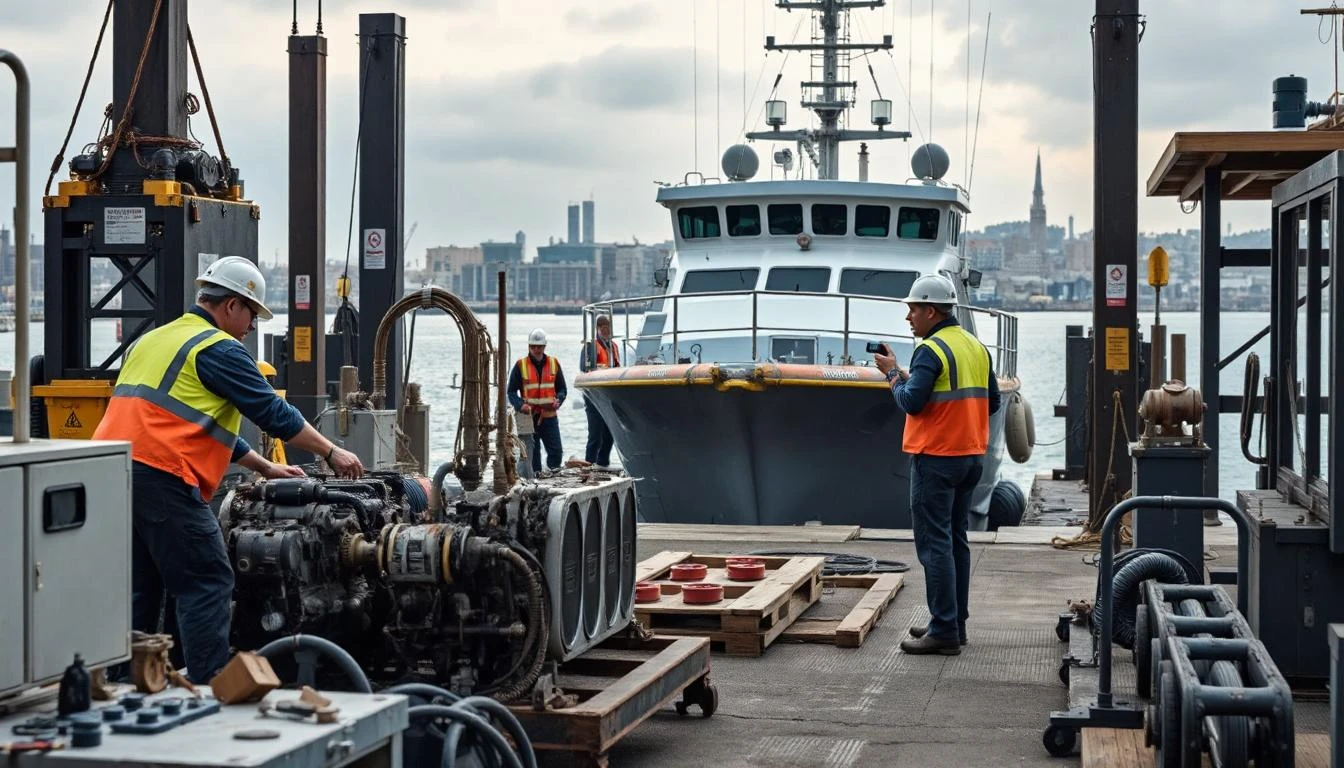
Engine inspection and servicing
The engine functions as the core of every working vessel. Without regular servicing, heat buildup, contaminated oil, and excessive friction slowly reduce performance and increase mechanical risk.
Routine inspections typically include checking oil quality, replacing worn filters, monitoring coolant systems, and testing fuel injectors. These steps help maintain efficient combustion while reducing unnecessary fuel consumption.
Many marine operators also use digital monitoring systems to track engine performance data in real time. This technology helps technicians identify irregularities long before mechanical failure disrupts operations.
Hull cleaning and protection
Hull condition directly affects vessel efficiency in the water. Barnacles, algae, and marine growth create additional drag that forces engines to work harder and consume more fuel.
Regular hull cleaning improves movement through water while reducing strain on propulsion systems. Protective coatings and anti-fouling paint also help shield the vessel from corrosion caused by constant saltwater exposure.
Clean hull surfaces may seem like a minor detail, but they often produce measurable savings in fuel costs and operational efficiency over long-term use.
Electrical system maintenance
Electrical systems are often overlooked until something suddenly stops working. Yet navigation equipment, communication systems, and onboard lighting all depend on reliable electrical performance.
Routine maintenance should include battery inspections, wiring checks, circuit testing, and backup power verification. Moisture exposure and salt corrosion can quietly damage electrical connections over time, making regular inspections extremely important.
Reliable electrical systems improve communication stability and help operators avoid unexpected operational interruptions during offshore activities.
Tips For Long Term Marine Performance
Long-term marine performance is rarely achieved through occasional repairs alone. The most dependable vessels usually belong to operators who follow disciplined maintenance routines consistently throughout the year.
As marine technology evolves, maintenance strategies are also becoming more advanced. Smart inspections, crew awareness, and higher-quality components now play major roles in keeping vessels reliable under demanding conditions.
Scheduling regular inspections
Routine inspections create structure and accountability within maintenance programs. Instead of reacting to emergencies, operators can identify wear patterns and repair issues before they become severe.
Many businesses now use maintenance logs and digital tracking systems to monitor service schedules, replacement intervals, and inspection histories. This organized approach helps reduce overlooked repairs and improves long-term operational planning.
Regular inspections also support compliance with maritime safety standards and insurance requirements, which is increasingly important for commercial operators worldwide.
Using quality marine parts
Low-quality replacement parts often fail faster in harsh marine environments. While cheaper components may reduce short-term spending, they frequently create larger repair expenses later.
High-quality marine parts are specifically engineered to handle corrosion, vibration, and heavy operational loads. Durable filters, pumps, seals, and electrical components contribute directly to better long-term vessel reliability.
Investing in quality equipment may initially seem expensive, but many operators quickly discover that reliability saves far more money over time than repeated repairs ever could.
Training crew for maintenance awareness
A strong maintenance culture does not depend entirely on technicians. Crew members also play an important role in identifying unusual sounds, leaks, vibrations, or warning signs during daily operations.
When crews understand the basics of preventive maintenance, small issues are reported earlier before becoming major mechanical failures. This awareness creates faster response times and improves overall vessel safety.
Training programs also encourage crews to operate equipment more carefully, helping reduce unnecessary wear on engines and onboard systems.
Keep Your Marine Work Boat Reliable With Proper Maintenance Today
Reliable vessels are rarely the result of luck. They are usually the outcome of disciplined inspections, smart operational planning, and consistent servicing habits built over time. In a competitive maritime industry where downtime can quickly become expensive, proper maintenance often separates efficient operators from those constantly dealing with avoidable breakdowns.
Every maintenance decision you make today directly affects how your vessel performs tomorrow. A cleaner hull, a properly serviced engine, or a simple electrical inspection may seem minor now, but those small actions often prevent major operational failures later. The maritime businesses that continue growing successfully are usually the ones that understand maintenance is not an expense alone, but a long-term investment in reliability, safety, and operational strength.
If you want your vessel to remain dependable in demanding marine conditions, now is the right time to strengthen your maintenance routine and keep your operations moving forward with confidence.