Work Boats Changing Fishing Industry
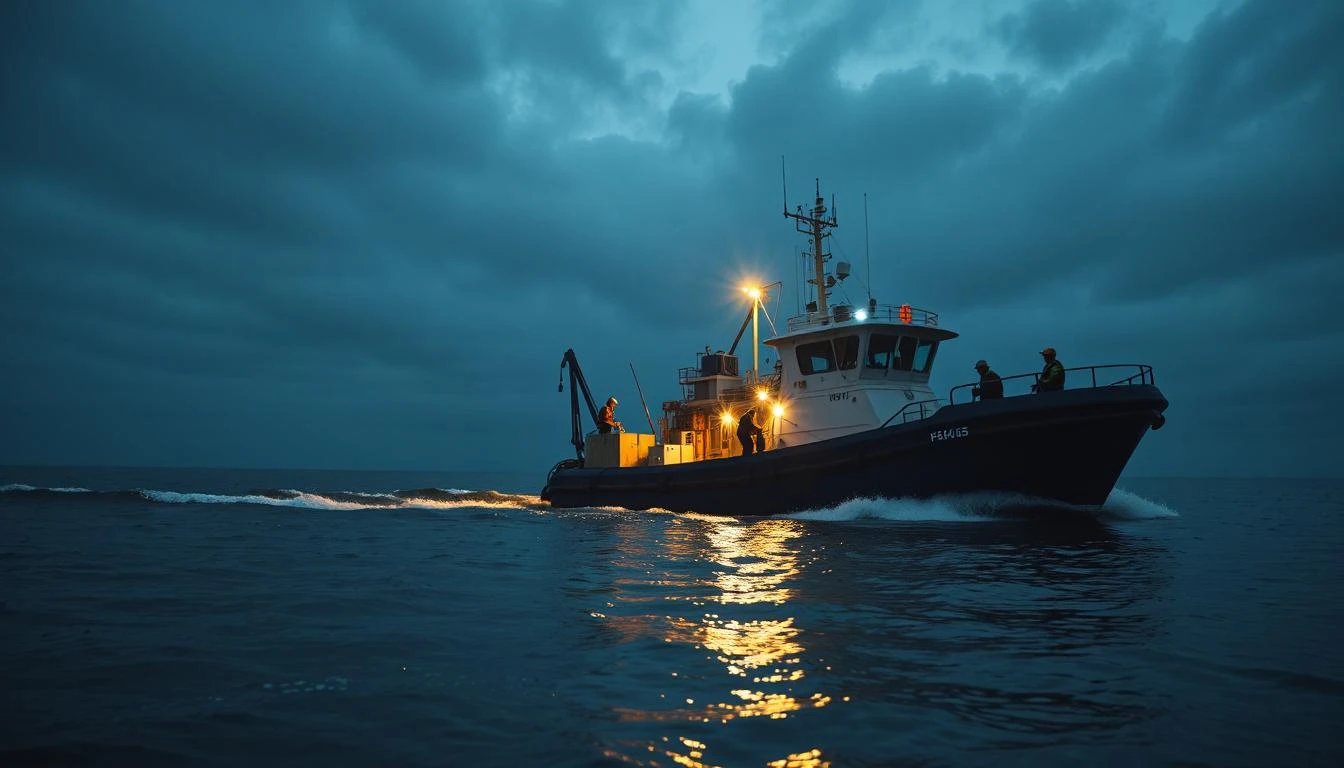
The ocean has always been a symbol of opportunity, but today it is also becoming a battlefield of innovation, efficiency, and sustainability. Around the world, commercial fisheries are facing rising fuel prices, unpredictable climate conditions, and increasing global seafood demand. In the middle of this transformation, modern marine technology is quietly reshaping how fishing businesses survive and grow in highly competitive international markets. What used to be a traditional occupation is now evolving into a data-driven industry powered by smarter vessels and faster logistics.
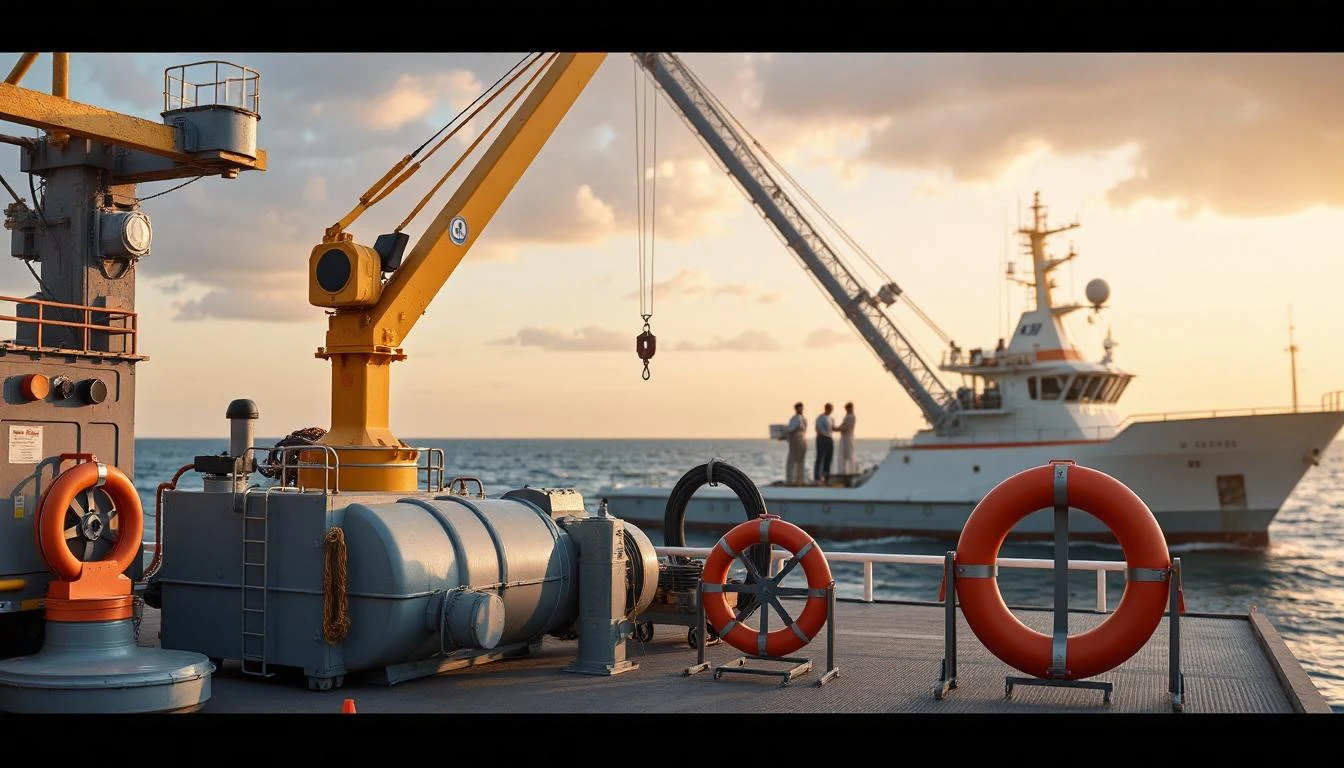
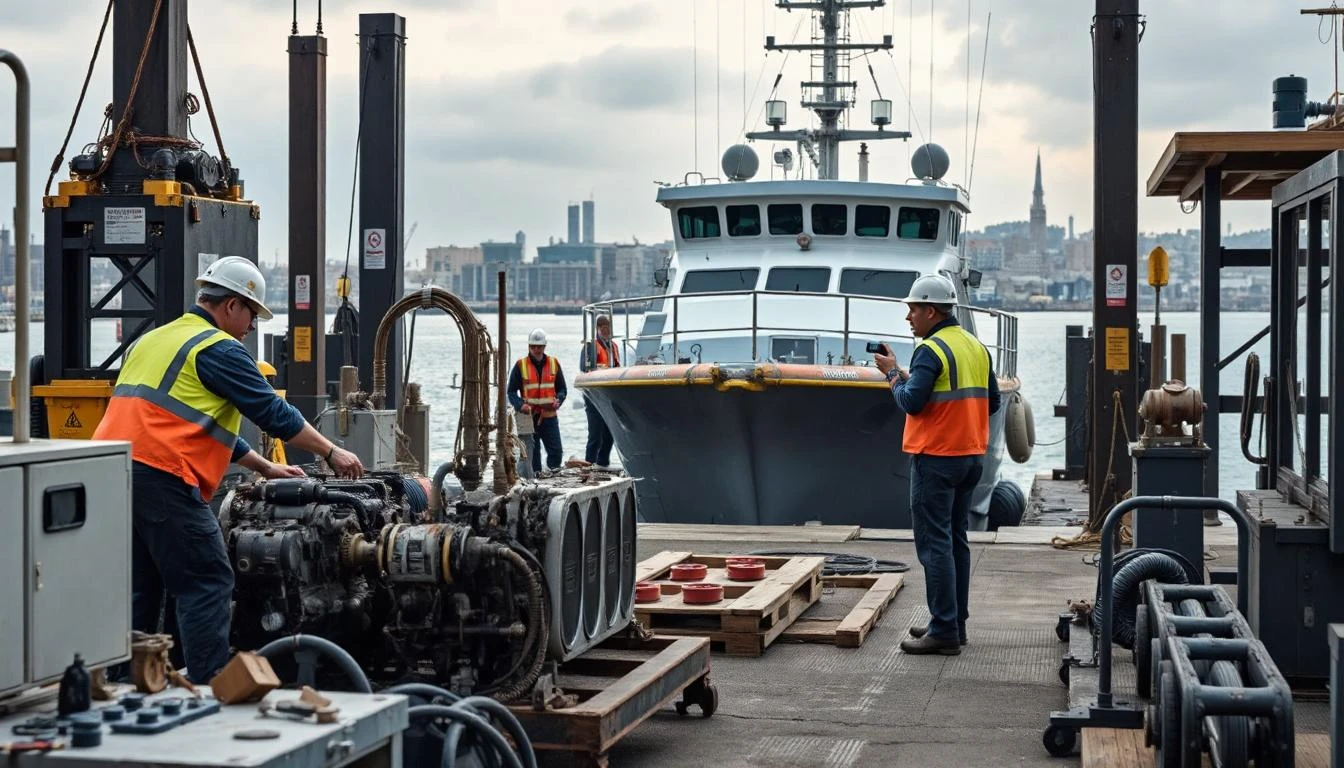
The rise of fishing work boats is changing the way seafood companies operate across global waters. These advanced vessels are no longer limited to transporting crews and hauling nets because they now function as intelligent operational hubs equipped with digital navigation systems, eco-friendly engines, and high-precision fish detection technology. For businesses trying to stay ahead in the modern seafood economy, investing in smarter marine fleets is becoming less of an option and more of a necessity.
The Role Of Work Boats In Modern Fishing
The global fishing industry is entering a new era where efficiency and adaptability determine who leads the market. Modern work boats are helping fisheries respond faster to changing ocean conditions while improving productivity across every stage of marine operations. From offshore harvesting to seafood transportation, these vessels are becoming essential tools for businesses aiming to increase profits without sacrificing sustainability.
At the same time, readers and industry observers are beginning to realize that work boats are no longer just supporting equipment. They are now part of a much larger business ecosystem connecting fishermen, exporters, distributors, and seafood suppliers worldwide. That shift is exactly why marine innovation is attracting attention far beyond coastal communities.
Improving Fishing Efficiency
Modern fishing companies are under constant pressure to maximize every trip at sea. This is where advanced work boats create a major advantage. Equipped with fuel-efficient engines, automated net systems, and digital route optimization, these vessels help crews reduce operational delays and improve catch performance.
Instead of relying purely on instinct, many operators now use smart systems capable of analyzing ocean temperatures, weather patterns, and fish migration behavior in real time. This technology allows fishermen to target productive areas more accurately while reducing unnecessary fuel consumption.
Marine technology expert Captain Richard Lawson once explained that “the future of commercial fishing belongs to fleets that combine operational intelligence with environmental awareness.” His statement reflects the reality that efficiency is no longer just about speed, but also about making smarter decisions at sea.
Supporting Large Scale Operations
Large-scale seafood operations require far more coordination than most people imagine. Modern work boats now support industrial fishing activities with expanded storage capacity, advanced cooling systems, and onboard communication networks that keep operations connected even in remote offshore regions.
This capability becomes especially important for seafood exporters handling international demand. Faster handling and better onboard preservation help maintain product quality from the ocean directly to processing facilities and global markets.
As worldwide seafood consumption continues rising, companies using advanced work boats are gaining stronger control over supply chain reliability. That operational consistency is becoming one of the biggest competitive advantages in the modern marine business landscape.
Enhancing Transportation Logistics
Transportation has become one of the hidden engines behind successful fishing businesses. Fresh seafood requires speed, stability, and precision, and modern work boats are designed to support all three simultaneously.
Advanced refrigeration systems and real-time tracking technology now allow fisheries to monitor seafood quality throughout long-distance transportation routes. This reduces spoilage risks while improving delivery efficiency for restaurants, retailers, and export partners.
Many marine logistics analysts believe the next major breakthrough in seafood commerce will not come from larger catches alone, but from faster and smarter transportation systems capable of preserving freshness longer than ever before.
Innovations Transforming Fishing Activities
Technology is rapidly transforming the way marine operations function across international waters. Today’s fishing fleets are becoming smarter, cleaner, and far more connected than traditional vessels from previous decades. Businesses investing in innovation are discovering that small technological improvements can create massive long-term operational benefits.
What makes this transformation even more fascinating is how quickly these innovations are evolving. Features that once seemed futuristic are now becoming standard equipment on modern commercial vessels.
Smart Navigation Technology
Smart navigation systems are helping fishing crews operate with greater precision and safety. Satellite-assisted route planning, automated steering support, and weather monitoring tools now help captains avoid dangerous conditions while improving fuel efficiency.
These systems also reduce wasted travel time by identifying faster and more efficient offshore routes. In highly competitive fisheries, saving even a small amount of fuel per trip can significantly improve annual profitability.
For businesses searching for long-term operational stability, navigation technology is becoming one of the most valuable investments in modern marine operations.
Advanced Fish Detection Systems
Fish detection technology has changed dramatically in recent years. Modern sonar systems can now generate detailed underwater imaging capable of identifying fish density, movement patterns, and species locations with remarkable accuracy.
This helps fishermen avoid excessive net deployment while increasing catch precision. It also supports more responsible harvesting methods that reduce unnecessary environmental disruption.
Marine biologist Dr. Elena Martinez noted that “advanced fish detection systems are helping fisheries balance economic growth with marine conservation goals.” Her observation highlights how technology is helping the industry become both more profitable and more environmentally responsible at the same time.
Eco Friendly Marine Equipment
Sustainability is becoming one of the most important conversations in the marine business sector. Governments, environmental organizations, and seafood consumers are all pushing for cleaner operational practices across the global fishing market.
Modern work boats are increasingly adopting hybrid engines, low-emission propulsion systems, and recyclable onboard materials designed to reduce environmental impact. Some manufacturers are even experimenting with partially electric vessels capable of operating with dramatically lower fuel consumption.
This shift is not only about environmental responsibility. Businesses using eco-friendly marine equipment are also improving brand reputation and building stronger trust with environmentally conscious consumers worldwide.
Future Of Work Boats In Fishing Industry
The future of commercial fishing is moving toward a smarter and more connected ecosystem. Automation, sustainability, and digital monitoring are no longer experimental ideas because they are already influencing how modern fisheries operate today.
As competition intensifies, companies that adapt to these changes early are likely to dominate the next generation of seafood commerce. That reality is pushing marine businesses to rethink how vessels are designed, operated, and managed.
Sustainable Fishing Practices
Sustainable fishing practices are becoming essential for protecting marine ecosystems while maintaining long-term business growth. Modern work boats are now equipped with selective harvesting technology designed to reduce bycatch and minimize ecological damage.
Many fisheries are also using advanced monitoring systems to ensure compliance with international marine regulations. This creates greater transparency for seafood buyers and consumers demanding responsibly sourced products.
The growing focus on sustainability shows that environmental responsibility and commercial profitability are no longer opposing goals. In many cases, they are becoming deeply connected business strategies.
Automation in Marine Operations
Automation is helping marine operations become faster, safer, and more efficient. Tasks that once required extensive manual labor can now be supported through automated net systems, digital engine diagnostics, and remote operational monitoring.
This technology also helps address labor shortages affecting many fishing regions worldwide. By reducing repetitive physical work, crews can focus more on strategic decision-making and operational safety.
The idea of semi-autonomous fishing fleets may have sounded unrealistic years ago, but today it is becoming an increasingly serious direction for the marine industry.
Growth of Digital Monitoring Systems
Digital monitoring systems are creating a new level of visibility across fishing operations. Fleet managers can now monitor fuel usage, route performance, equipment conditions, and seafood inventory from centralized digital platforms.
This transparency improves operational control while helping fisheries maintain compliance with international fishing regulations. It also allows businesses to respond faster to maintenance issues before they become expensive operational problems.
As seafood markets continue evolving, digital monitoring technology will likely become one of the defining foundations of successful marine business management.
Discover How Work Boats Are Transforming The Fishing Industry Today
The transformation happening across global fisheries is far bigger than many people realize. Modern work boats are no longer operating as simple support vessels because they are now influencing logistics, sustainability, efficiency, and international seafood distribution all at once. Businesses that embrace this evolution are positioning themselves ahead of competitors still relying on outdated systems and slower operational models.
At the same time, consumers are becoming more aware of where seafood comes from and how it is harvested. That growing awareness is encouraging marine companies to invest in smarter technology, cleaner equipment, and more transparent operational practices. The future of fishing will not simply belong to companies that catch more fish, but to those capable of operating smarter, faster, and more responsibly in an increasingly competitive global market.
If you are following the future of marine business trends, this is the moment to pay attention to how innovation is reshaping the seafood economy from the ground up.